I
Dynamic Topology
MANET-inspired algorithms generate a real-time computing map and locate low-latency, high-redundancy transmission paths across volatile networks.

Silicon Valley architecture. Israel communications engineering. Global useful compute.
AetherCompute (ACOM) aggregates idle GPUs, resilient network paths, and useful-compute verification into a borderless protocol for AI training, inference, and scientific computing.
Risk-managed routing across global AI compute liquidity.
target cost reduction for AI compute workloads
average latency reduction through DeLink routing
GPU target for the Global Web phase
Risk-managed routing across global AI compute liquidity.
target cost reduction for AI compute workloads
average latency reduction through DeLink routing
GPU target for the Global Web phase
Cutting-edge GPU power is increasingly concentrated among a small number of cloud giants, while regional restrictions and fragmented idle hardware prevent builders from accessing the resources they need.
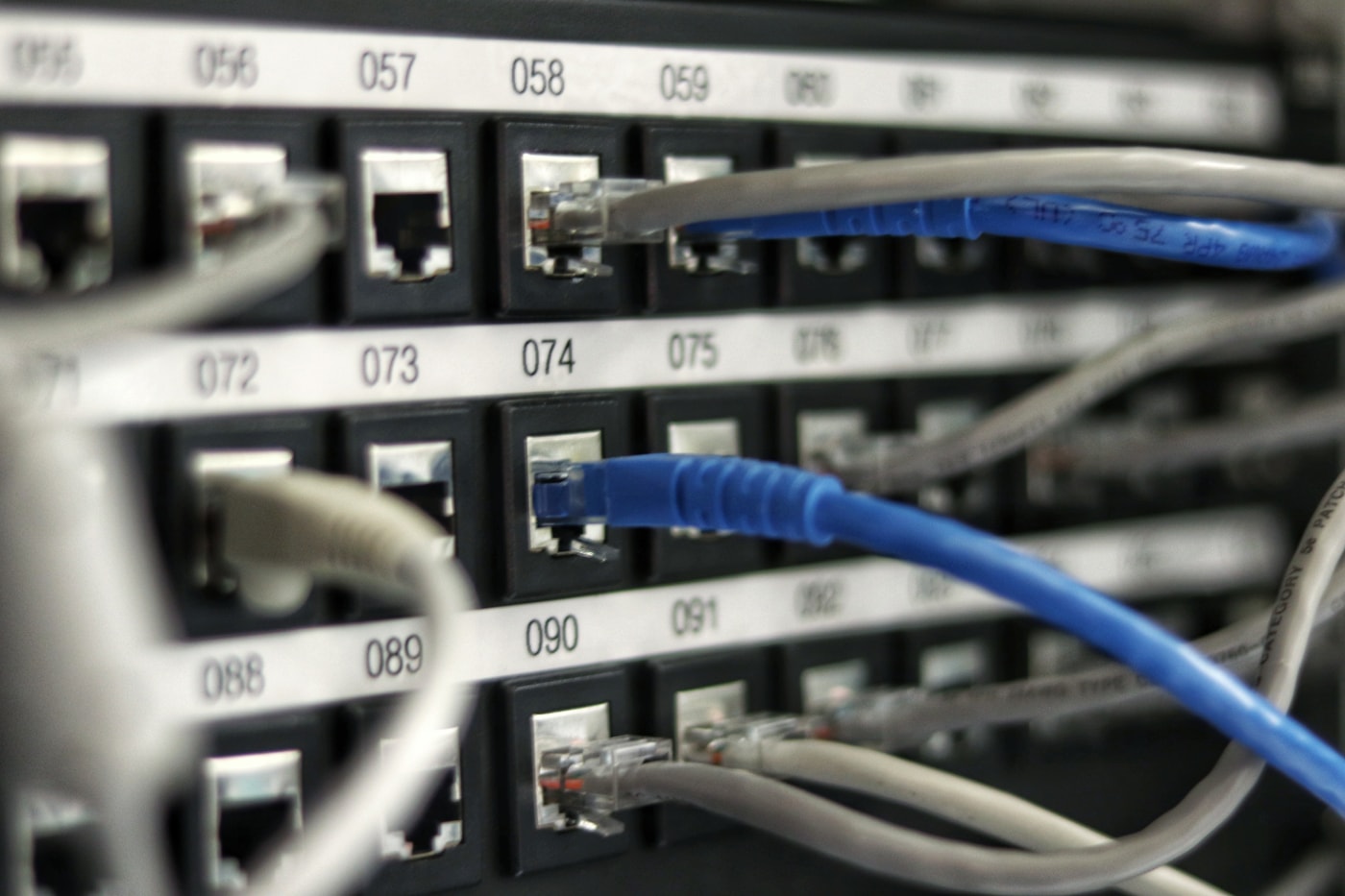
Startups wait months and pay premium rates for scarce accelerators controlled by a few centralized providers.
Compute supply can be disrupted by policy shifts, regional restrictions, and platform-level access decisions.
Tens of millions of consumer and data-center GPUs remain underutilized because no trusted integration layer exists.
ACOM turns decentralized hardware into a transparent, efficient, and censorship-resistant compute foundation. It is designed for developers, AI enterprises, node operators, and scientific teams that need fair access to global computing power.

Led by hardware communications expertise rooted in Haifa, DeLink probes global node conditions every second and selects routes based on congestion, jitter, packet loss, and redundancy rather than physical distance alone.
MANET-inspired algorithms generate a real-time computing map and locate low-latency, high-redundancy transmission paths across volatile networks.
DLAC identifies critical gradients during model training and compresses less important data, reducing transmission volume to 45% with less than 0.01% accuracy loss.
Commercial lines, data centers, and high-bandwidth home networks are pooled into multi-path concurrent transmission for continuous operation.
ACOM abstracts heterogeneous chips into ACOM Computing Units (ACUs), allowing developers to call global compute as easily as local GPUs without managing driver compatibility or topology complexity.
H100s, RTX 4090s, Apple M-series chips, and data-center accelerators become scheduler-readable compute units.
The system analyzes computational graphs, VRAM, and bandwidth to distribute large models across available nodes.
Encrypted checkpoints are backed up to neighboring nodes so long-running jobs continue when individual nodes drop out.
ACOM requires nodes to prove they executed the exact mathematical operations required by AI workloads without exposing sensitive model weights or private data.
Nodes generate compact zero-knowledge proofs alongside AI tasks, allowing validators to verify execution in milliseconds without rerunning the heavy computation.
Shadow tasks are sent to independent nodes and compared through consistency checks to identify dishonest behavior immediately.
Confirmed malicious behavior triggers full slashing of the node's staked ACOM tokens, aligning network integrity with economic cost.
Trusted Execution Environments and homomorphic encryption keep data encrypted inside node memory while remaining available for computation.
The token is designed as a functional protocol asset. AI enterprises pay for compute in ACOM, providers stake ACOM to join the network, and holders govern protocol parameters.
For every transaction, a 20% service fee is deducted. A portion rewards validators, while approximately 15% is sent to a burn address or used for market buy-backs.
Teams can rent RTX 4090 clusters at one-third of centralized cloud costs, enabling faster iteration for LLM fine-tuning.
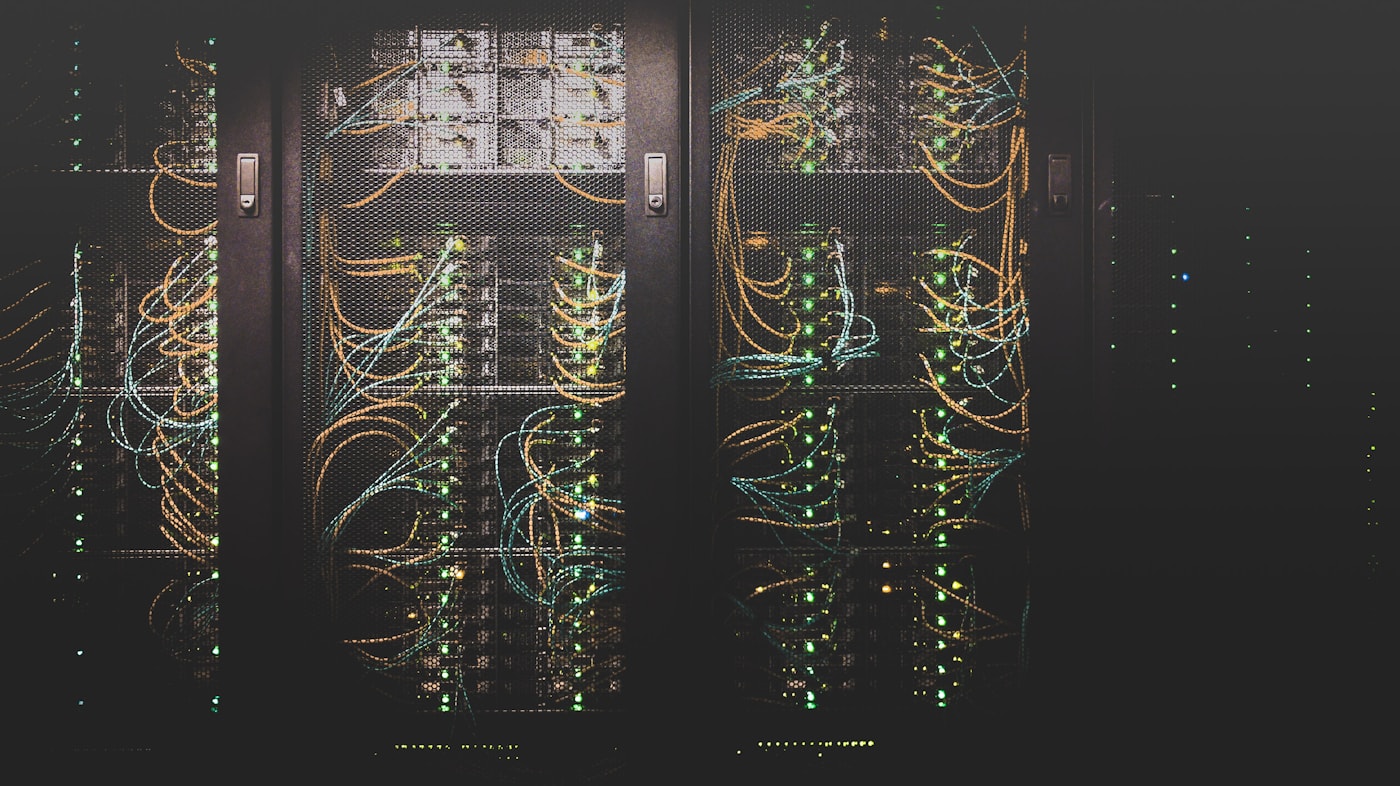
Edge gateway nodes process requests closer to users, reducing end-to-end latency for high-concurrency applications.
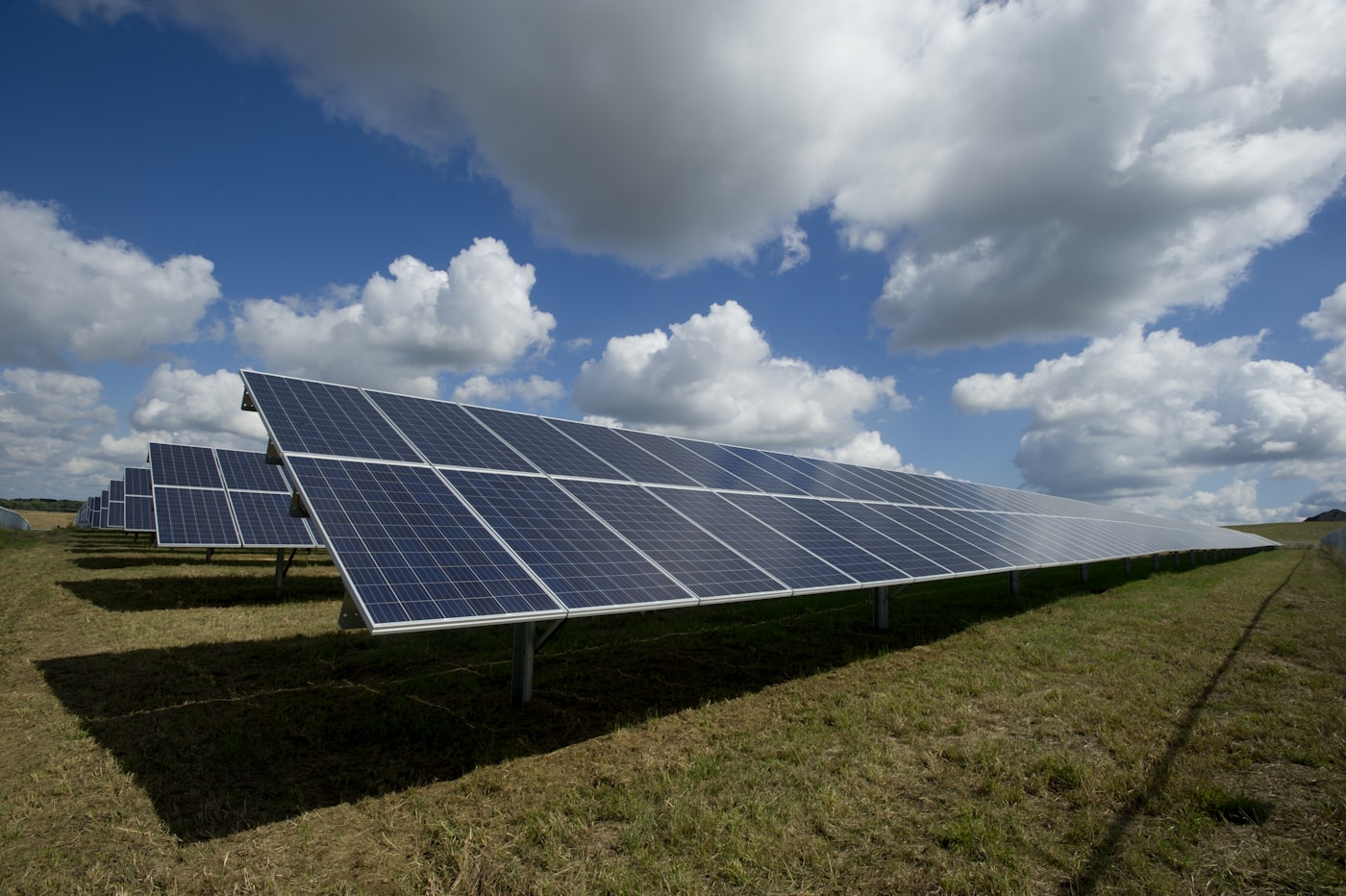
ACOM Foundation plans to support workloads such as AlphaFold and cancer screening for non-profit research teams.
Release Whitepaper 1.0 and mathematical proofs.
Complete transoceanic distributed experiments with sub-30ms latency.
Launch Alpha Testnet to verify DeLink routing.
Launch Incentivized Testnet and recruit 20,000+ nodes.
Release ACOM SDK for one-click migration from mainstream frameworks.
Complete Token Generation Event.
Launch Mainnet 1.0 with full PoUC and Buy-and-Burn mechanics.
Form strategic partnerships with top IDC providers for hybrid scheduling.
Reach 1,000,000+ GPUs as the world's largest virtual supercomputer.
AetherCompute is building a fairer, more efficient, and secure computing highway for the AGI era. Developers, node providers, research teams, and ecosystem partners can align around useful compute instead of centralized scarcity.
foundation@aethercompute.orgContact address is a placeholder pending the Foundation's official public inbox.